Checking the Fuel Pressure Regulator (9-3)
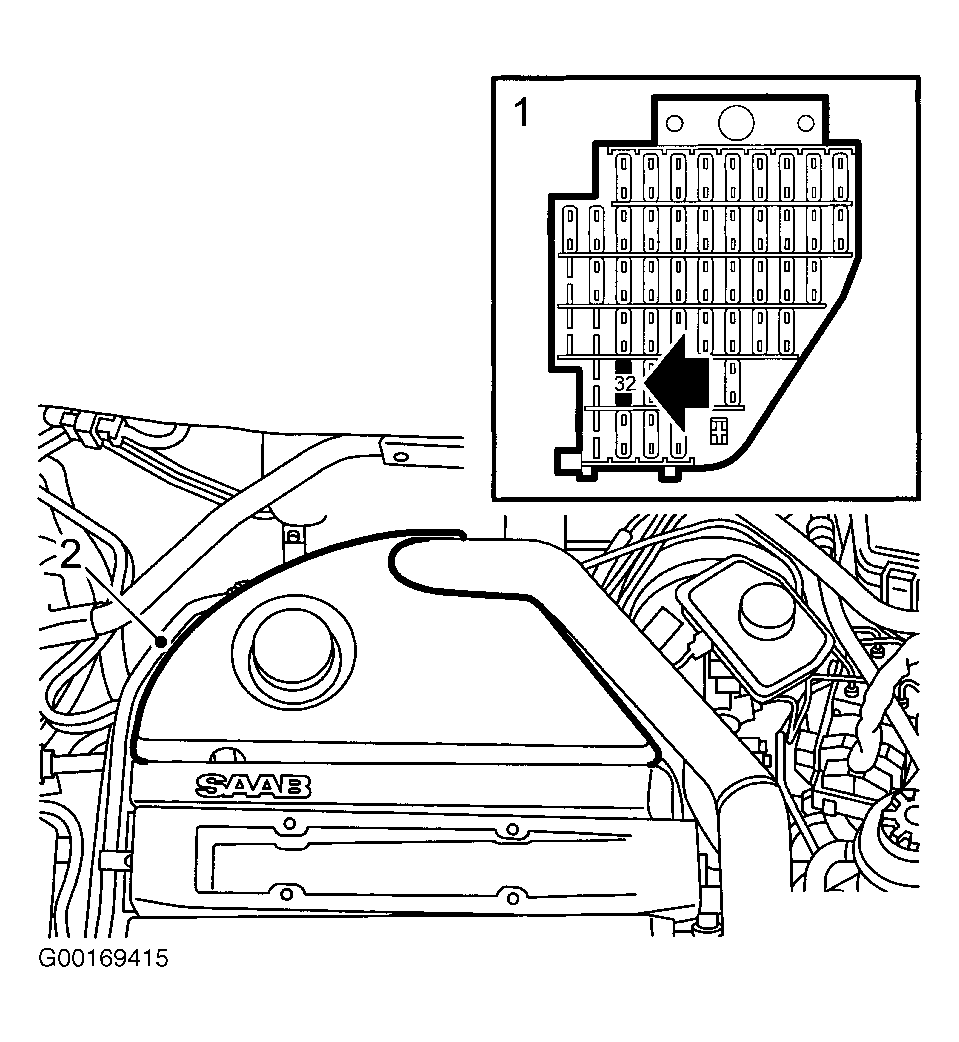
- Reduce the fuel pressure by removing the fuel pump fuse No. 32 while the engine is idling. Turn off the ignition once the engine has stopped. Fit the fuel pump fuse No. 32. See Fig 1
.
- Remove the engine cover.
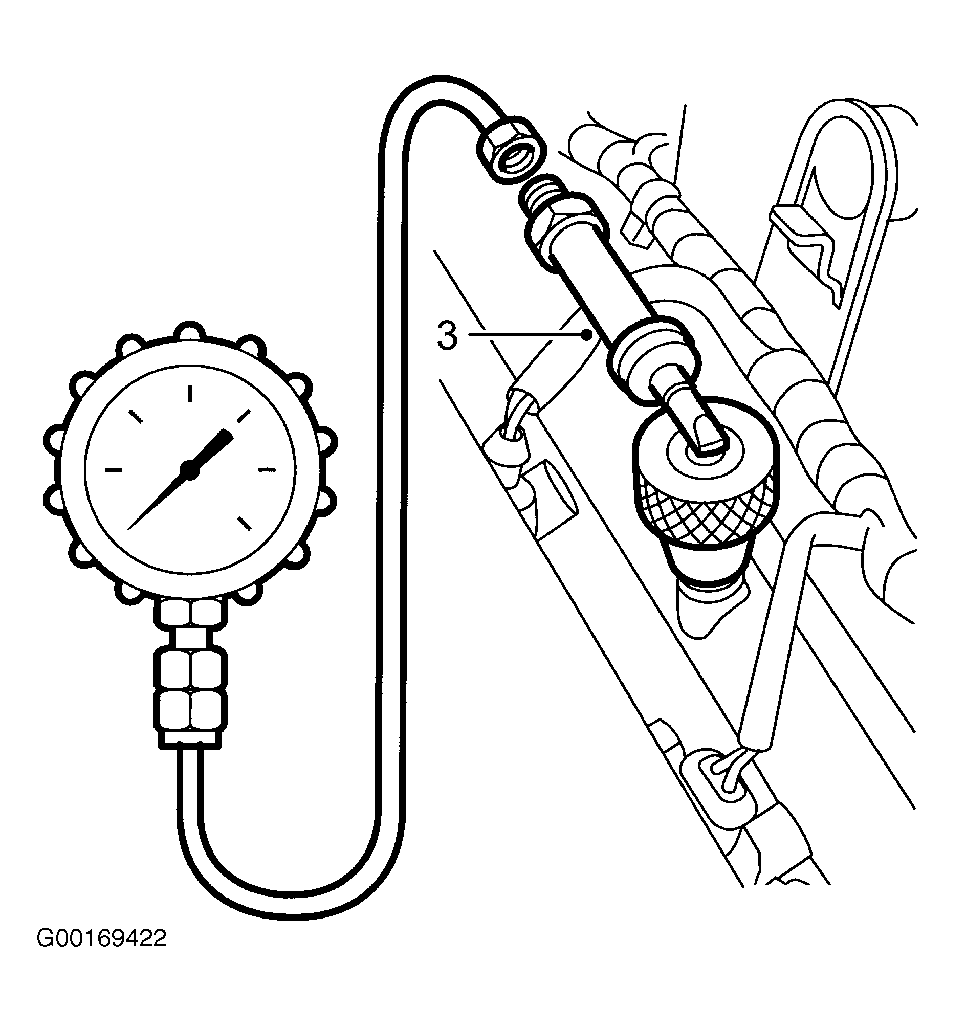
- Unscrew the valve cap from the fuel rail's service nipple. Connect Fuel and Oil Pressure Gauge Equipment (83 93 852) and Fuel Pressure Gauge Adapter (83 94 744). Connect the adapter to the fuel rail with "safety on". Take off the "safety" from the adapter. See Fig 2
.
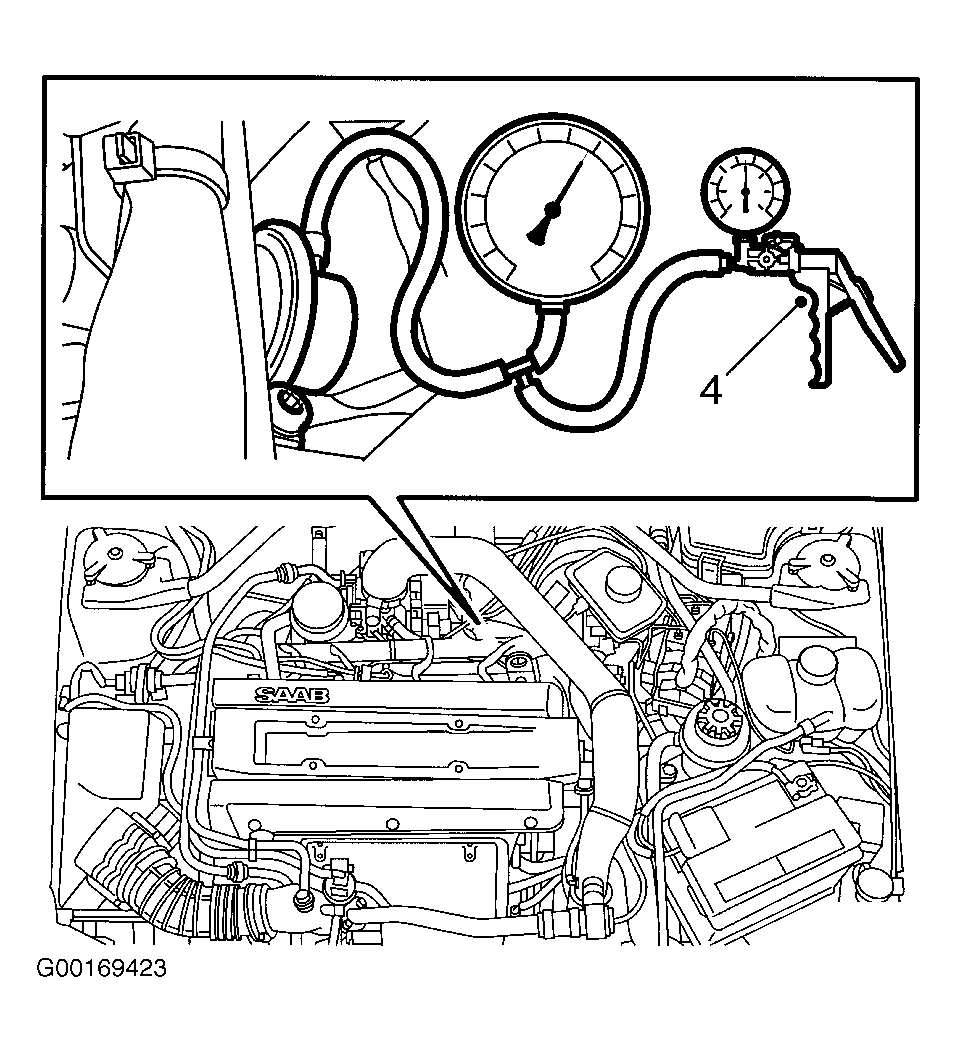
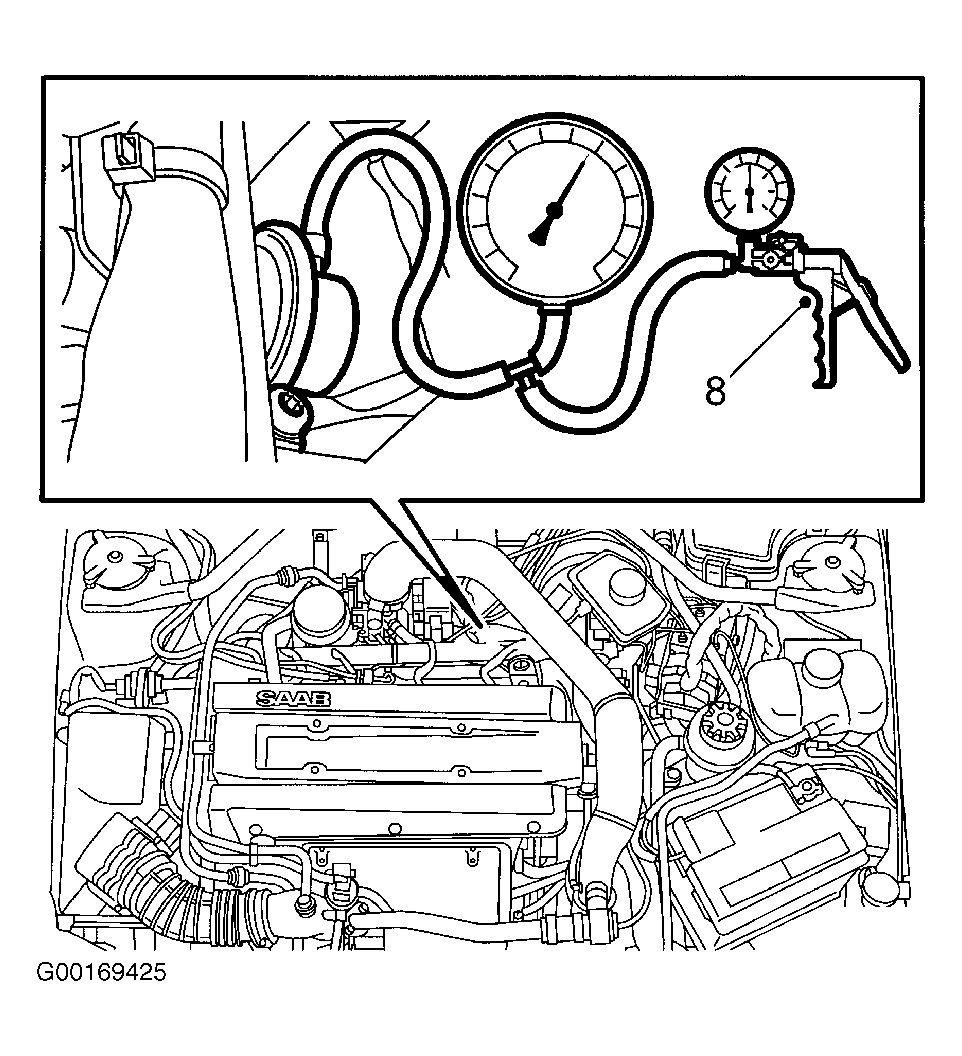
- Disconnect the vacuum hose from the fuel pressure regulator and connect Pressure/Vacuum Pump (30 14 883) and Charge Pressure Gauge (83 93 514). See Fig 3
.
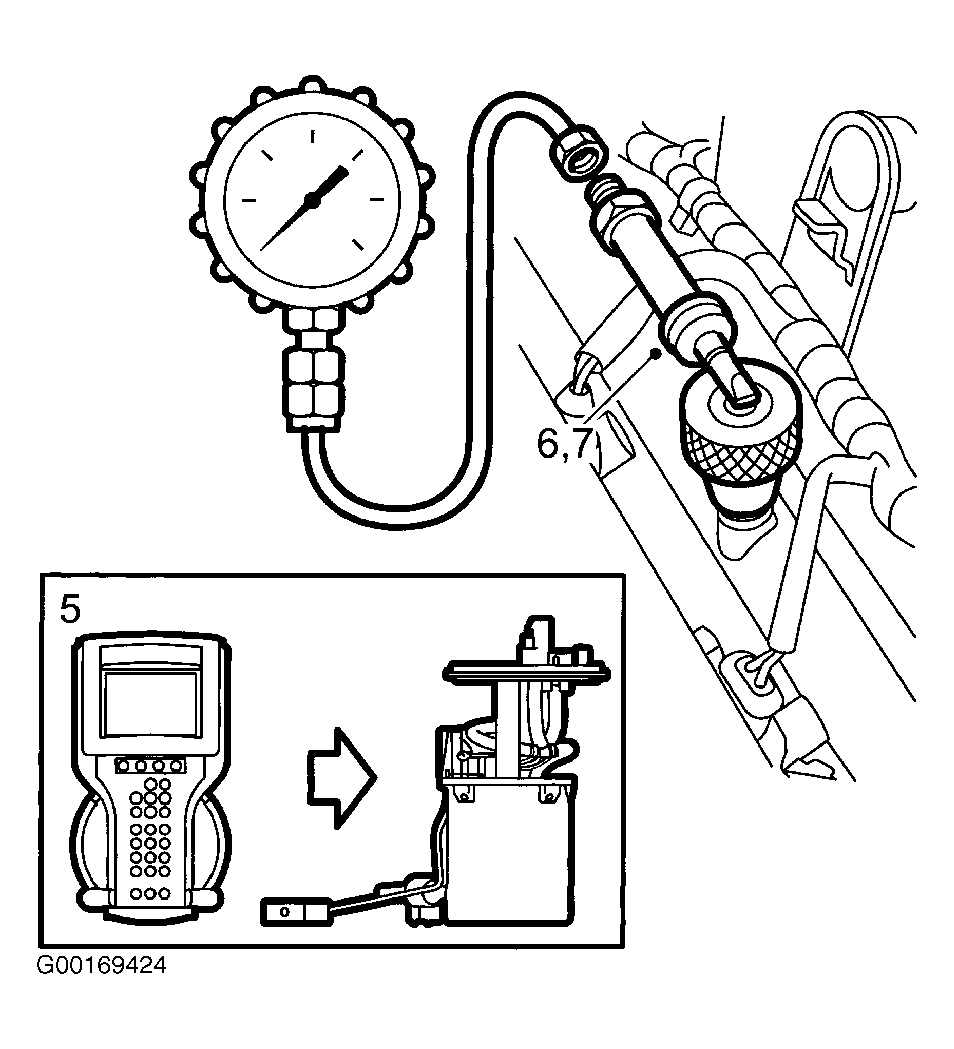
- Start the fuel pump with the diagnostic tool. It may be necessary to restart the pump during the check as the activation period using the diagnostic tool is 30 seconds. See Fig 4
.
- Check the reading at atmospheric pressure. It should be 43 psi (3.0 bar).
- Increase the vacuum in the pressure regulator with the pressure/vacuum pump. The system pressure should drop with the same amount as shown on the pressure gauge. System pressure should be 43 psi (3.0 bar)
- Pump up pressure in the fuel pressure regulator with the vacuum pump. The system pressure should now increase with the same amount as shown on the pressure gauge. See Fig 5
.
- "Safety on" the adapter and remove the pressure gauge equipment from the fuel rail service nipple. Screw on the valve cap.
- Remove the pressure/vacuum pump from the fuel pressure regulator and connect the vacuum hose.
- Fit the engine cover.
 Courtesy of SAAB-SCANIA OF AMERICA, INC.
 Courtesy of SAAB-SCANIA OF AMERICA, INC.
 Courtesy of SAAB-SCANIA OF AMERICA, INC.
 Courtesy of SAAB-SCANIA OF AMERICA, INC.
 Courtesy of SAAB-SCANIA OF AMERICA, INC.