Purge Control Solenoid Valve (Optima & Magentis (Canadian) 2.7L, Rio & Spectra)
- Disconnect Purge Control Solenoid Valve (PCSV) 2-pin harness connector. Locate PCSV, see Fig 1-Fig 3
. Measure resistance between two terminals (component side). See Fig 3test procedure No. 1. Resistance should be 24-28 ohms at 68°F (20°C). If resistance is not as specified, replace PCSV. If resistance is as specified, go to next step.
- Remove PCSV. Blow air into port "A" and verify air does not escape from port "B", PCSV should be closed. Open PCSV by jumpering one PCSV terminal to battery positive terminal. Jumper other PCSV terminal to battery negative terminal. See Fig 3 test procedure No. 2. Blow air into port "A" and verify air escapes from port "B". If air escapes from port "B" when PCSV is closed and/or does not escape when PCSV is open, replace PCSV.
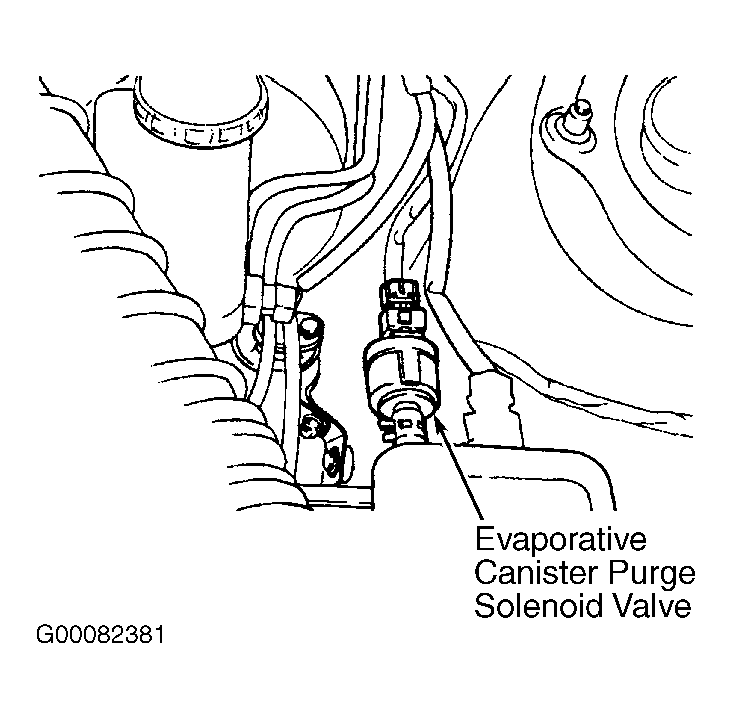 Courtesy of KIA MOTORS AMERICA, INC.
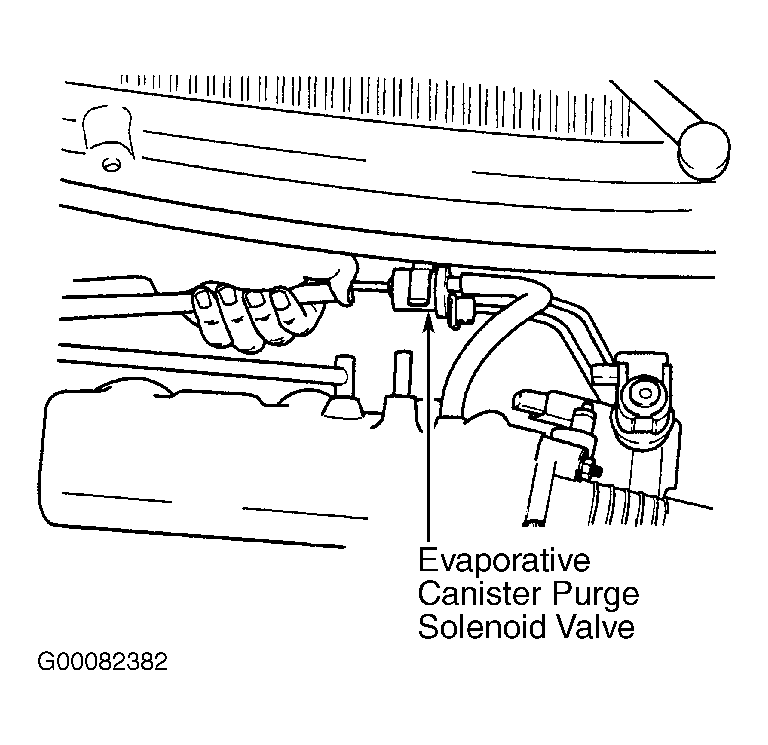 Courtesy of KIA MOTORS AMERICA, INC.
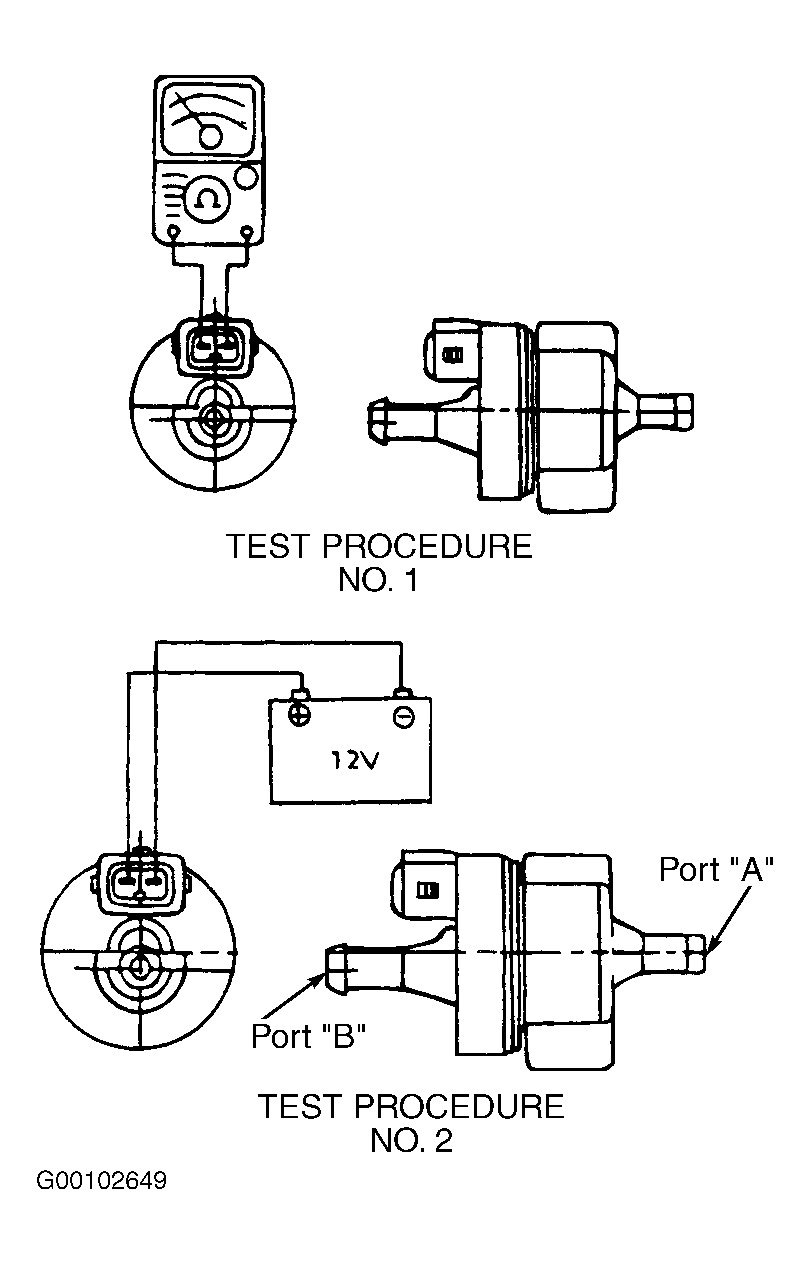 Courtesy of KIA MOTORS AMERICA, INC.