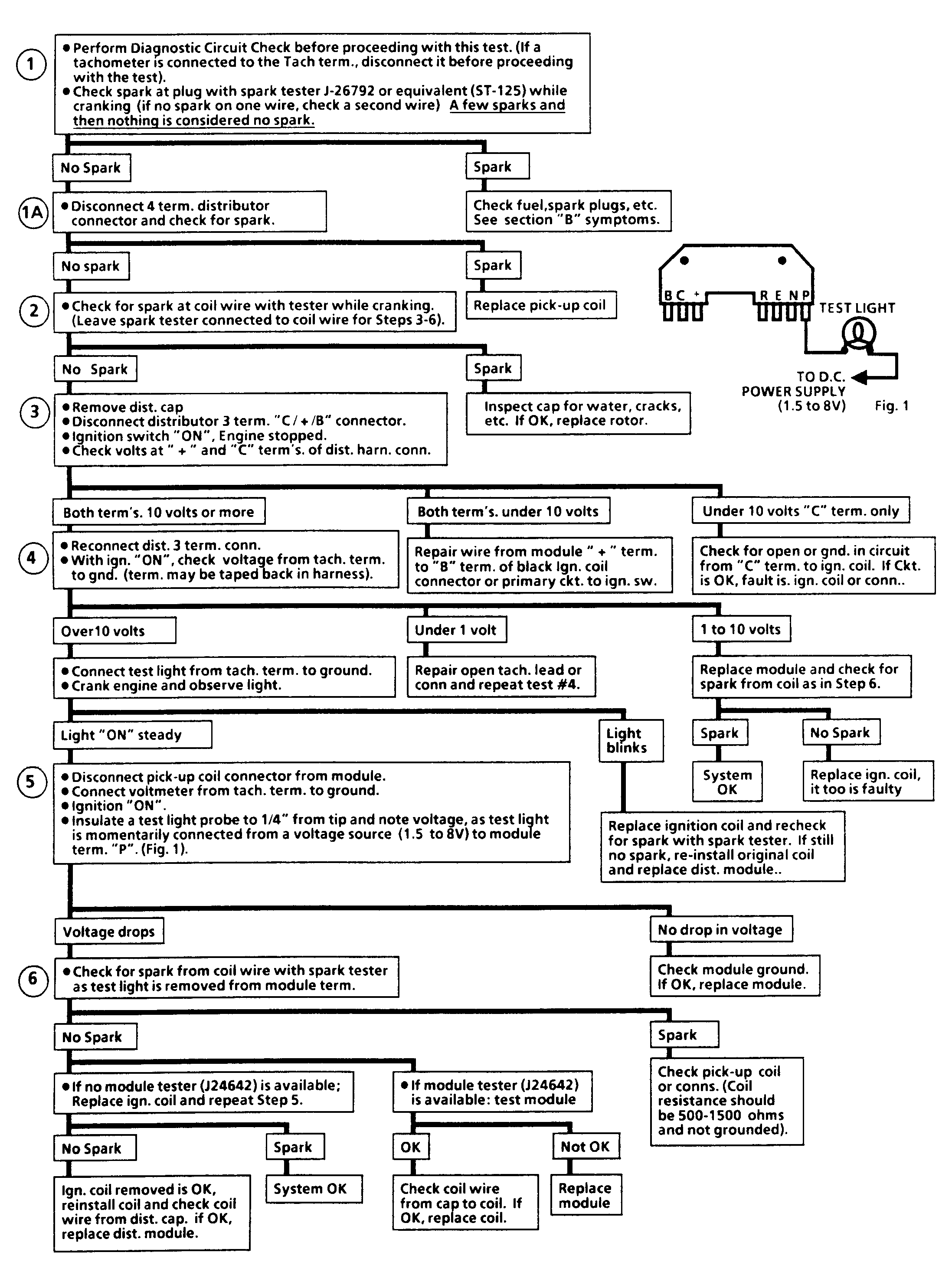
Chart C-4C, Ignition System Check
- This test checks for proper output from the ignition system. The spark tester requires a minimum of 25,000 volts to fire. Tester should be used in case of an ignition miss because the system may provide enough voltage to run the engine but not enough to fire a spark plug under heavy load.
- 1A) If spark occurs with EST connector disconnected, pick-up coil is too low for EST operation.
- A spark indicates that the problem is a faulty distributor cap or rotor.
- Normally, there should be battery voltage at the "+" terminal. Low voltage would indicate an open or high resistance circuit from the distributor to coil or ignition switch.
- This test checks for a shorted module or grounded circuit from the ignition coil to the module. The distributor module should be turned off so normal voltage should be about 12 volts. If the module is turned on, the voltage would be low, but above one volt. This could cause the ignition coil to fail from excessive heat. With an open ignition coil primary winding, a small amount of voltage will leak through the module from the "BAT" terminal to the tach terminal.
- This test checks for an open module or circuit to it. Applying 12 volts to the terminal "P" will turn the module on and the voltage should drop to about 7-9 volts.
- This should turn off the module and cause a spark. If no spark occurs, the fault is most likely in the ignition coil because most module problems would have been found before this point in the procedure. A module tester could determine which is at fault.